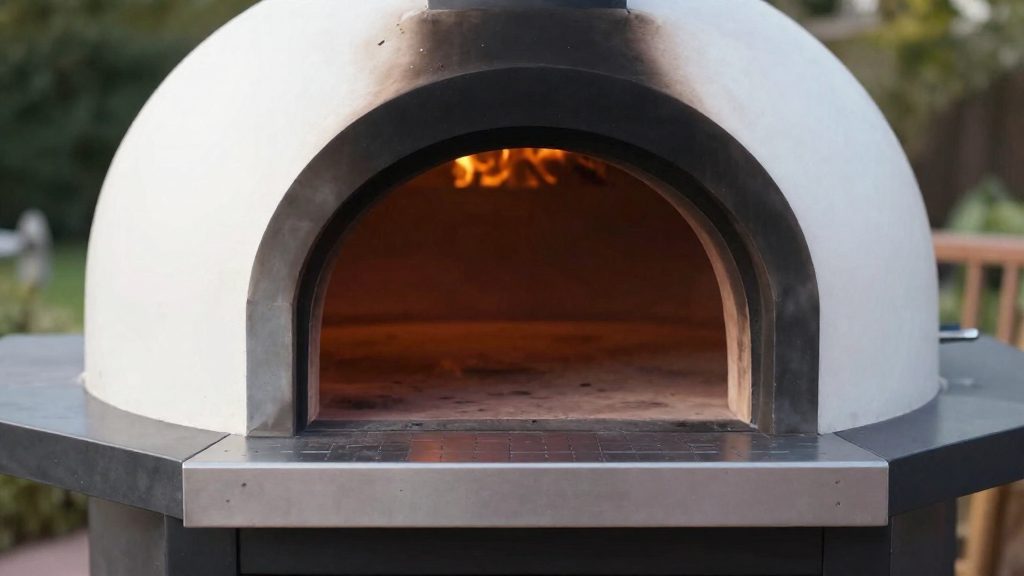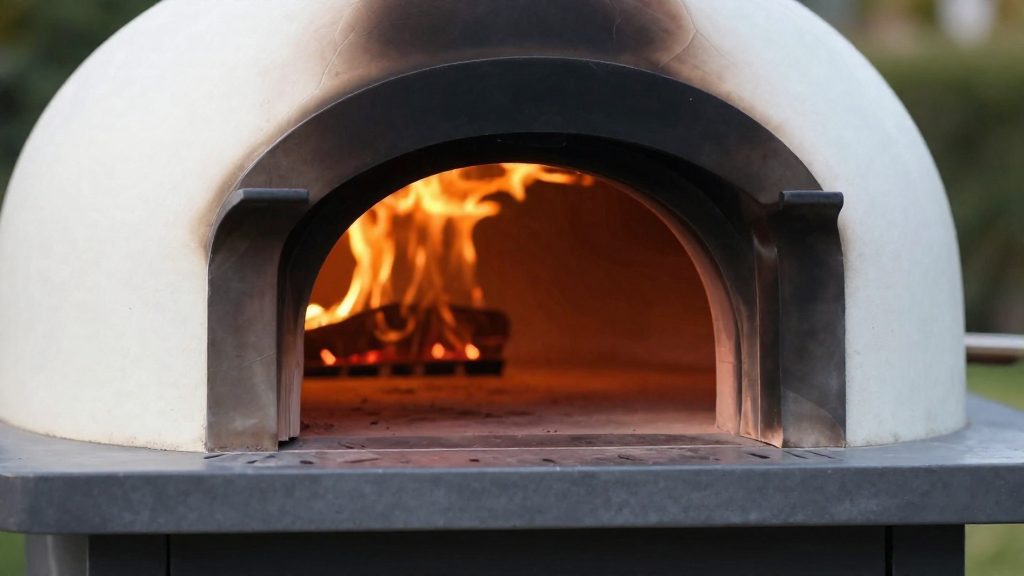
Choosing the best outdoor pizza oven for your backyard depends on three things: your budget, how you cook, and how much room you have. In Bob Vila’s 2026 testing, the team evaluated 14 outdoor pizza ovens over four months, baking more than 200 pizzas, with prices from $180 to $2,300. Set your budget and space limits first, then match the oven’s heat and preheat time to how often you plan to bake.
How do you choose the best outdoor pizza oven for your backyard?
Use these three filters in order. Each one narrows the field before you compare individual models.
Budget: what the price range covers
The tested prices spanned $180 to $2,300 (Bob Vila, 2026). The official sources consulted do not specify which features each price tier includes, so compare ovens on heat, preheat time and cooking size, not on price alone. Set a ceiling before you shop so you can judge the mid-range models on their own terms.
Cooking habits: heat, speed and pizza size
Your baking style matters more than any single spec. Bob Vila (2026) also reports that Neapolitan-style pizza can cook in about a minute in one tested model, which suits people who bake several pizzas in a row. If you bake only occasionally, a slower oven may be enough.
Backyard space: fit the footprint to the yard
The sources consulted do not give a standard footprint, so use the oven’s listed dimensions and the clear area you can keep around it.
| Criterion | Question to ask | Data point from the sources |
|---|---|---|
| Budget | What is my ceiling? | Tested prices from $180 to $2,300 (Bob Vila, 2026) |
| Speed | Do I bake many pizzas at once? | Neapolitan-style pizza in about a minute in one model (Bob Vila, 2026) |
| Preheat | Can I wait before baking? | Some tested models need a 20–30 minute preheat (Bob Vila, 2026) |
Gas, wood or dual-fuel: which fuel suits you?
Outdoor pizza ovens generally run on one of three setups: a wood or charcoal fire, a propane or natural gas burner, or a design that accepts more than one fuel. According to Bob Vila (2026), wood and charcoal add smoke flavor, while propane gives more precise temperature control. Many ovens also accept two or three fuel types. The choice comes down to whether you want the flavor of a live fire or steadier, more repeatable heat.
Smoke flavor versus propane precision
Wood and charcoal are the flavor-first options. The smoke they produce reaches the crust and toppings, which is the character many home bakers want from a fire-cooked pizza. The trade-off is control: the fire has to be fed and adjusted, so the oven’s temperature shifts as the fuel burns down.
Propane is the precision option. A gas burner can be raised or lowered with a control, which makes it easier to hold a similar temperature from one pizza to the next. You get less smoke character, but more predictable results if you bake several pizzas in a row.
| Fuel | What it contributes (Bob Vila, 2026) | Best for |
|---|---|---|
| Wood or charcoal | Adds smoke flavor | Cooks who want smoky crust and toppings |
| Propane | More precise temperature control | Cooks who bake several pizzas in one session |
Multi-fuel ovens
The Gozney Dome Gen 2 is the clearest multi-fuel example in the source material. Bob Vila (2026) reports that it runs on wood, charcoal, propane or natural gas, which makes four fuels in one oven. You can switch between smoky and precise cooking without buying a second unit.
Ovens that accept two or three fuel types offer a smaller version of the same choice. The tradeoff is that a multi-fuel oven gives you flexibility but is not necessarily the best at any one fuel. Before buying, decide which fuel you will use most often, confirm the model supports it, and check that you can get that fuel reliably where you live.
Best overall and runner-up picks
Bob Vila’s team named the Halo Versa 16 its best overall outdoor pizza oven and the Gozney Arc XL its runner-up. Both picks share the same core specifications: a 950°F maximum temperature and capacity for a 16-inch pizza. Their ranking therefore does not come from a higher heat ceiling or a larger pizza.
| Model | Ranking (Bob Vila, 2026) | Maximum temperature | Largest pizza |
|---|---|---|---|
| Halo Versa 16 | Best overall | 950°F | 16 inches |
| Gozney Arc XL | Runner-up | 950°F | 16 inches |
Halo Versa 16: top pick
The Halo Versa 16 is a propane oven that reaches 950°F and takes a 16-inch pizza (Bob Vila, 2026).
Ideal buyer: a backyard cook who wants the top-ranked model, bakes 16-inch pizzas, and values steady, adjustable heat from a propane burner.
Gozney Arc XL: runner-up
The Gozney Arc XL matches the top pick on maximum temperature and pizza size, with the same 950°F maximum and 16-inch capacity (Bob Vila, 2026). The official sources consulted do not specify its fuel type, so confirm it on the manufacturer’s listing before buying.
Ideal buyer: a cook who has confirmed the Arc XL’s fuel type works with their setup and who wants the same 950°F, 16-inch performance as the top pick.
Compact and gas-fired options: what the sources say
Smaller and lower-cost outdoor pizza ovens cover a wide part of the market, and the right choice depends on how hot you need the oven to get and which fuel you prefer. Three models in this group are the Gozney Arc Lite, the BakerStone portable gas oven and the Camp Chef Artisan. The Gozney Arc Lite is a Gozney oven that needs a 20 to 30 minute preheat (Bob Vila, 2026). The consulted sources do not give its exact dimensions, pizza capacity or price, so check those figures on the manufacturer’s listing before you buy.
The sources do not list individual prices for the models below.
The two gas models have stated maximum temperatures that can be compared directly:
| Model | Fuel | Stated maximum temperature |
|---|---|---|
| BakerStone portable gas oven | Gas | Above 800°F |
| Camp Chef Artisan | Gas | 700°F |
According to Advnture (2021-07-20), the BakerStone portable gas oven exceeds 800°F, while the Camp Chef Artisan reaches 700°F.
Fuel choice matters as much as the maximum. If steady heat is your priority over smoky flavor, these gas models fit that goal. If you want smoke, look for a model that also accepts wood or charcoal.
What size pizza oven do you need?
The two top-ranked ovens in Bob Vila’s testing are built around a 16-inch pizza. According to Bob Vila (2026), the best overall pick, the Halo Versa 16, takes a 16-inch pizza, and so does the runner-up, the Gozney Arc XL. The pizza diameter is set by the usable cooking floor, so 16 inches is the figure to compare other models against. Treat it as the largest pizza you can bake, not the size to make every night.
Matching pizza diameter to people served
Start with how many people you usually feed in one session, then work out how many pizzas that takes. A smaller pizza is quicker to turn and launch, so it suits a small household or short sessions. A larger pizza gives each guest a full portion and suits groups, but it needs more room to rotate inside the oven. The official sources consulted do not specify a fixed number of pizzas per person, so set your own count with a test bake: time how long one pizza takes from launch to plate, then multiply by the number of people you plan to serve.
Measuring the opening and cooking floor before buying
Check the dimensions before ordering, because the listed capacity only helps if the pizza fits through the door and onto the floor. Measure these three points:
| Measurement | What it tells you |
|---|---|
| Opening width | Whether your peel, with a pizza on it, can pass through |
| Cooking floor diameter | The largest pizza that fits without touching the walls |
| Clearance around the unit | Whether there is room for the stand, airflow and walking space |
Measure with the actual peel you plan to use, not an estimate.
How hot should a backyard pizza oven get?
The target temperature is the heat you aim for while baking, and the maximum temperature is the highest setting an oven can reach. Advnture (2021) states that gas-burner pizza ovens need about 700°F for the best pizza, which makes that figure the practical baseline for gas models. The Camp Chef Artisan, one of the gas ovens Advnture names, reaches 700°F. Bob Vila (2026) gives 950°F as the maximum for two of its picks, the Halo Versa 16 and the Gozney Arc XL. The sources consulted do not give a recommended working temperature for these models.
| Oven | Temperature figure | Source |
|---|---|---|
| Gas-burner pizza ovens (general) | About 700°F for best results | Advnture (2021) |
| Camp Chef Artisan | Reaches 700°F | Advnture (2021) |
| Halo Versa 16 | 950°F maximum | Bob Vila (2026) |
| Gozney Arc XL | 950°F maximum | Bob Vila (2026) |
Preheat time
Preheat duration varies by model. Bob Vila (2026) reports that the Gozney Arc XL and Gozney Arc Lite need a 20 to 30 minute preheat before baking. The official sources consulted do not give a preheat time for the other ovens covered here.
Cook time
Cook time depends on the oven’s heat and the style of pizza. Bob Vila (2026) notes that the Gozney Dome Gen 2 can cook Neapolitan-style pizza in about one minute. A bake that short leaves little room for error, so the pizza needs close attention and turning during cooking. For slower bakes, the official sources consulted do not specify cook times for the other models in this article.
Where can you safely set up a pizza oven?
Safe siting comes down to three checks: where the smoke goes, what the oven stands on, and how much room you have around it. According to Bob Vila (2026), the recommended setup is a well-ventilated area on a noncombustible surface, with plenty of walking space around the oven. Each condition addresses a different risk. A hot oven produces exhaust whether it burns wood, charcoal or propane, it transfers heat to whatever sits beneath it, and it needs clear space so you can move around it while it is hot.
Ventilation: a well-ventilated outdoor area
Ventilation is the first check. Any pizza oven that burns fuel produces smoke and combustion gases, and these need open air to disperse. Choose a spot where the exhaust can drift away from the cooking area, from doors and windows, and from people seated nearby. Avoid corners formed by walls or fences, and avoid spots under eaves or a covered patio, where smoke has nowhere to go.
Surface: a noncombustible base
The oven should sit on a noncombustible surface, meaning one that does not catch fire from heat. Concrete, stone and paving are common choices. Keep the oven off wooden decking, grass and plastic tables. Check that the surface is level, since a stable base keeps the oven from shifting when you move it or load it.
Space: plenty of walking room
Leave a clear walkway on every side of the oven. You need room to load fuel or pizzas, turn them, and step back without bumping into the oven, which stays hot long after cooking ends. Keep the path free of furniture, planters, and stored items, and keep children and pets outside the zone while the oven is in use.
| Requirement | What to look for | Why it matters |
|---|---|---|
| Ventilation | Open outdoor space, away from walls, eaves and openings | Carries smoke and fumes away from the cooking area |
| Surface | Concrete, stone or paving under the base | Does not burn when heated |
| Walking room | Clear path on all sides | Lets you move safely around a hot oven |
How do you keep your outdoor pizza oven in good shape?
Keeping an outdoor pizza oven in good condition depends on three routines: clearing the cooking stone and interior after each session, protecting the unit from rain and humidity between uses, and checking the burners and gas path on gas models. Each takes only a few minutes. Skipping them lets food residue and ash build up, lets moisture reach metal and ceramic parts, and can hide a fuel leak until it becomes a safety problem.
Cleaning the cooking stone and interior after use
Let the oven cool completely before you touch the stone or the interior walls. Once cool, brush off loose flour, cheese and crumbs with a dry, stiff brush or a bench scraper. Scrape stubborn burnt spots gently with a metal scraper held flat, rather than digging into the surface. Stone is porous, so soap is generally avoided, since it can be absorbed and affect the taste of later pizzas. For wood-burning models, remove ash once it is cold, because leftover ash holds moisture against the floor of the oven. Wipe the interior walls with a dry cloth, and keep the burner openings free of debris.
Storage and protection from weather between uses
Rain, humidity and temperature swings are the main enemies of an outdoor oven that sits unused for long periods. Keep the oven covered with a breathable cover that fits its shape. A fitted cover protects the exterior from rain while still letting trapped humidity escape, which reduces the risk of rust on steel parts. Store the cooking stone dry, and avoid leaving it exposed to standing water. Portable units are easier to protect if they can be moved under a porch or into a dry shed when not in use. Keep fuel, including gas cylinders, outside the cooking area and stored as the manufacturer’s instructions direct.
Checking burners, gas connections and fuel lines
Before each session on a gas model, look over the hoses for cracks, stiffness, or rubbing against sharp edges. Confirm that every connection is snug. The standard way to check for a leak is a soapy-water leak test: mix water with a little dish soap, brush it onto each connection while the gas is on, and watch for bubbles. Bubbles mean a leak: turn off the gas at the cylinder or supply, then tighten or replace the connection and retest it before you cook. Inspect the burner ports for blockages, and clear them with a soft brush. A flame that looks uneven or lifts off the burner suggests a blocked port or a problem with the gas supply.
| Routine | When | What to check |
|---|---|---|
| Cooking stone | After it has cooled, each session | Loose debris removed, no standing moisture |
| Interior walls and floor | After each session | Ash removed when cold, walls wiped dry |
| Cover and storage | Between uses | Cover fitted, stone kept dry |
| Burner ports | Before each session | Ports clear, flame even |
| Gas connections and hoses | Before each session and after moving the oven | No cracks, connections tight, no bubbles in leak test |